Overhead Door Safety: Protecting Workers on Every Jobsite
April 14, 2026
When MIOSHA Arrives: What Every Contractor Should Know
June 5, 2026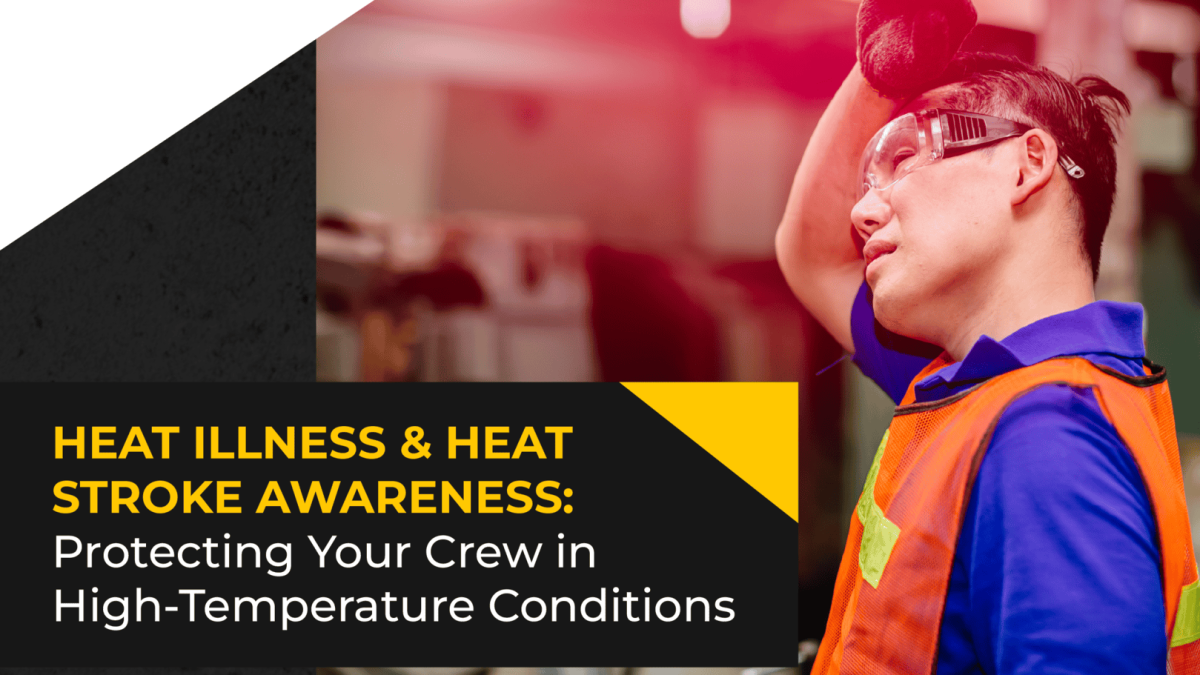
Working in hot environments is part of the job for many construction professionals, but it brings serious risks. Heat-related illnesses can develop quickly and, if not addressed, can lead to severe injury or even death. With the right awareness and planning, these risks are preventable.
Understanding Heat-Related Illnesses
Heat illness occurs when the body cannot cool itself effectively. It often progresses in stages:
- Heat Cramps: Muscle spasms and heavy sweating
- Heat Exhaustion: Weakness, dizziness, headache, nausea and clammy skin
- Heat Stroke (Medical Emergency): Confusion, loss of consciousness, high body temperature and hot or dry skin
Recognizing these symptoms early is critical. Waiting too long can turn a manageable situation into a life-threatening emergency.
Who Is Most at Risk?
Certain conditions increase the likelihood of heat-related illness:
- High temperatures and humidity
- Direct sunlight and limited shade
- Physically demanding work
- Dehydration
- Heavy or non-breathable PPE
- Workers not yet acclimated to the heat
New employees or those returning after time off are especially vulnerable and should be monitored closely.
Prevention Starts With the Basics
Heat illness prevention is not complicated, but it requires consistency and accountability across every jobsite.
Hydration Matters
Workers should drink water regularly throughout the day, not just when they feel thirsty. Small, frequent intake every 15–20 minutes is recommended.
Take Breaks
Rest periods should increase as temperatures rise. Encourage breaks in shaded or cooled areas to allow the body to recover.
Acclimate Gradually
New or returning workers should ease into full workloads over a 5–7 day period to allow the body to adjust.
Dress for the Conditions
Lightweight, breathable clothing and cooling tools like towels or vests can help regulate body temperature.
Plan Ahead
Schedule the most physically demanding tasks during cooler parts of the day whenever possible.
Watch for Warning Signs
Supervisors and crews should actively monitor each other. Heat illness can show up as:
- Slowed movement or confusion
- Excessive fatigue
- Unusual behavior or disorientation
If something seems off, take action immediately. A strong safety culture means speaking up before a situation escalates.
What To Do in an Emergency
For Heat Exhaustion:
- Move the worker to a shaded or cool area
- Loosen clothing
- Apply cool water
- Encourage hydration
- Do not allow return to work until fully recovered
For Heat Stroke:
- Call emergency services immediately
- Move the worker to a cool area
- Remove excess clothing
- Begin rapid cooling (water, ice packs, fans)
- Do not give fluids if the person is unconscious
Creating a Safer Jobsite
Preventing heat illness is a shared responsibility. Contractors should:
- Monitor weather and jobsite conditions
- Ensure water and shade are always available
- Adjust workloads based on temperature
- Encourage a buddy system
- Reinforce a culture where workers speak up
Final Takeaway
Heat illness is preventable, but only if it is taken seriously. The combination of awareness, preparation and accountability can protect your team and keep your jobsite running safely.
Stay alert. Stay hydrated. Look out for one another.